This is a article

This is a article. This is a article. This is a article. This is a article. This is a article. This is a article. This is a article. This is a article. This is a article. This is a article. This is a article. This is a article. This is a article. This is a article. This is a article. This is a article. This is a article. This is a article. This is a article. This is a article. This is a article. This is a article. This is a article. This is a article. This is a article. This is a article. This is a article. This is a article. This is a article. This is a article. This is a article.

Understanding Media Literacy in the 2024 Election Season: Framing and the Power of News Angles

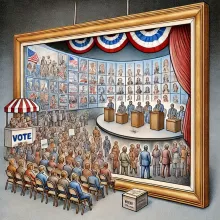
The image shows a large, detailed election scene with elements like voting booths, ballot boxes, political candidates, and campaign banners outside of an empty picture frame. The picture frame is placed over a portion of this election scene, emphasizing how media framing only highlights certain aspects of the broader event. Outside the frame, the election scene is more expansive, while the area within the frame is more focused and concentrated, symbolizing how media selectively presents information.

As we dive deeper into the 2024 election season, it’s more important than ever to sharpen our media literacy skills. With news outlets, social media platforms, and political ads bombarding us with information, knowing how to critically evaluate what we’re reading, watching, or hearing is crucial. One of the most powerful tools used by the media to influence public opinion is framing —the way news is presented to shape our perception of events, policies, and candidates.